English
- English
- Español
- Português
- русский
- Français
- 日本語
- Deutsch
- tiếng Việt
- Italiano
- Nederlands
- ภาษาไทย
- Polski
- 한국어
- Svenska
- magyar
- Malay
- বাংলা ভাষার
- Dansk
- Suomi
- हिन्दी
- Pilipino
- Türkçe
- Gaeilge
- العربية
- Indonesia
- Norsk
- تمل
- český
- ελληνικά
- український
- Javanese
- فارسی
- தமிழ்
- తెలుగు
- नेपाली
- Burmese
- български
- ລາວ
- Latine
- Қазақша
- Euskal
- Azərbaycan
- Slovenský jazyk
- Македонски
- Lietuvos
- Eesti Keel
- Română
- Slovenski
- मराठी
- Srpski језик

Why Are Trade Show Tents Essential for Successful Brand Promotion?
Trade show tents have become one of the most powerful tools for outdoor exhibitions, business expos, product launches, sports sponsorships, and promotional campaigns. A well-designed tent does more than provide shade—it creates visibility, strengthens branding, attracts customers, and improves the overall event experience. This complete guide explores everything businesses need to know about choosing, using, and maintaining trade show tents for maximum marketing impact.
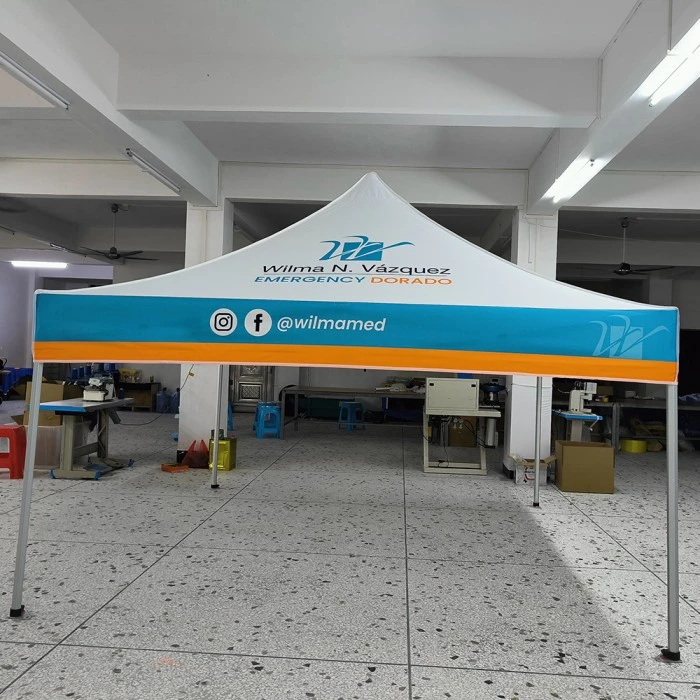
Table of Contents
- 1. What Are Trade Show Tents?
- 2. Why Do Businesses Use Trade Show Tents?
- 3. Which Types of Trade Show Tents Are Available?
- 4. How Do Custom Tents Improve Brand Visibility?
- 5. What Materials Are Best for Trade Show Tents?
- 6. How to Choose the Right Tent Size?
- 7. What Features Should You Look For?
- 8. Common Problems Buyers Face
- 9. How to Maintain Trade Show Tents?
- 10. Why Quality Manufacturing Matters?
- 11. FAQ
- 12. Final Thoughts
1. What Are Trade Show Tents?
Trade show tents are portable shelter structures designed for exhibitions, promotional events, fairs, outdoor marketing campaigns, and commercial displays. These tents provide businesses with a professional environment where they can showcase products, communicate with customers, and create memorable brand experiences.
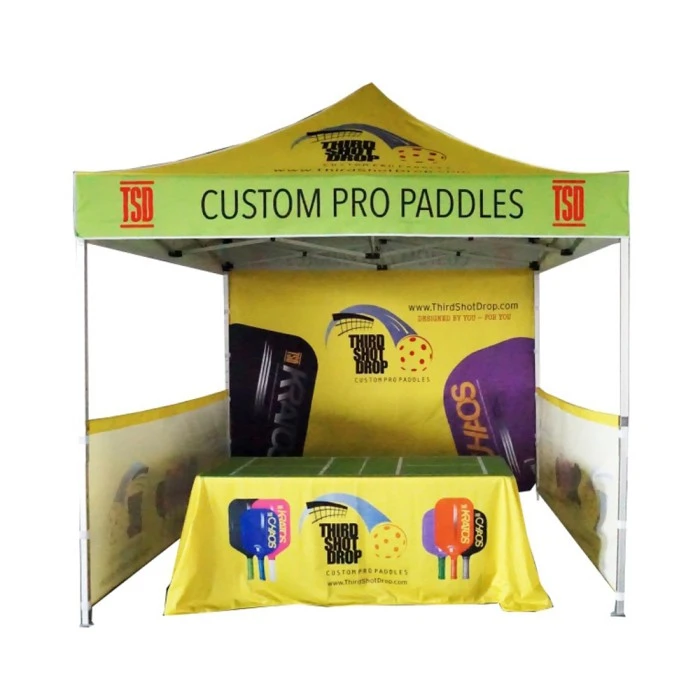
Unlike ordinary camping tents, exhibition tents are engineered specifically for commercial applications. They often include custom graphics, reinforced aluminum frames, waterproof canopies, sidewalls, lighting systems, and modular accessories.
Modern trade show tents are commonly used in:
- Outdoor exhibitions
- Corporate events
- Farmers markets
- Automotive promotions
- Sports sponsorship events
- University recruitment fairs
- Music festivals
- Retail pop-up stores
- Food sampling campaigns
| Feature | Benefit |
|---|---|
| Portable Design | Easy transportation and setup |
| Custom Printing | Strong brand visibility |
| Weather Resistance | Protection from rain and sunlight |
| Modular Structure | Flexible configurations |
2. Why Do Businesses Use Trade Show Tents?
Businesses invest in trade show tents because visibility directly affects customer engagement. In crowded event environments, standing out is essential. A professionally branded tent creates instant recognition and increases foot traffic.
Trade show tents also provide practical advantages. Outdoor events often expose exhibitors to unpredictable weather conditions. A durable canopy protects staff, products, promotional materials, and visitors from rain or excessive sunlight.
Major reasons businesses use trade show tents include:
- Enhancing brand identity
- Creating a professional presentation area
- Increasing visitor interaction
- Providing weather protection
- Supporting outdoor marketing campaigns
- Improving product display organization
- Generating more leads during events
A high-quality tent often becomes the visual center of an exhibition space. Companies that invest in durable structures and professional printing usually attract more visitors compared to businesses using generic displays.
3. Which Types of Trade Show Tents Are Available?
Trade show tents are available in various structures and styles depending on event requirements, weather conditions, and branding goals.
| Tent Type | Best For | Advantages |
|---|---|---|
| Pop-Up Tent | Quick events | Fast setup and portability |
| Inflatable Tent | Sports events | Unique visual appearance |
| Pagoda Tent | Luxury exhibitions | Elegant design |
| Frame Tent | Large commercial events | Excellent structural strength |
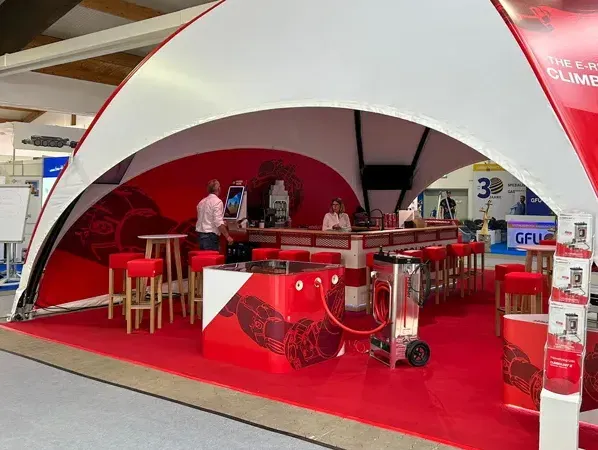
| Dome Tent | Creative branding | Modern futuristic appearance |
Selecting the correct tent depends on your target audience, setup location, transportation requirements, and branding objectives.
4. How Do Custom Tents Improve Brand Visibility?
Brand visibility is one of the most important advantages of custom trade show tents. Large printed graphics transform ordinary shelters into powerful marketing assets.
Custom tents can display:
- Company logos
- Brand colors
- Product images
- Slogans
- Website information
- QR codes
- Social media handles
A strategically designed tent helps businesses create stronger visual recognition during crowded events. Visitors are naturally attracted to vibrant displays and organized presentation spaces.
Branding Tips for Maximum Impact
- Use high-contrast colors for visibility
- Keep logos large and readable
- Avoid excessive text
- Ensure graphics match brand identity
- Add sidewalls for additional advertising space
- Use lighting for evening events
5. What Materials Are Best for Trade Show Tents?
Material quality directly affects tent durability, appearance, and long-term performance. Businesses should carefully evaluate both frame materials and canopy fabrics.
Frame Materials
- Aluminum: Lightweight, corrosion-resistant, ideal for portability
- Steel: Strong and stable, suitable for windy conditions
- Hybrid Structures: Combine strength and lightweight performance
Canopy Fabrics
- Polyester fabric with PU coating
- PVC-coated waterproof materials
- UV-resistant commercial fabrics
- Flame-retardant textiles
High-quality materials improve lifespan, maintain color vibrancy, and reduce replacement costs over time. Businesses that participate in multiple annual events benefit significantly from premium-grade tents.
6. How to Choose the Right Tent Size?
Tent size selection depends on event goals, booth layout, staffing requirements, and visitor traffic expectations.
| Tent Size | Recommended Usage |
|---|---|
| 2m x 2m | Small sampling stations |
| 3m x 3m | Standard promotional booths |
| 3m x 6m | Product showcases and team displays |
| 5m x 5m | Large-scale exhibitions |
Businesses should also consider:
- Storage space
- Transportation limitations
- Setup crew size
- Venue regulations
- Electrical equipment placement
- Customer flow patterns
7. What Features Should You Look For?
The best trade show tents combine durability, convenience, safety, and attractive design. Buyers should compare features carefully before purchasing.
Waterproof Protection
Prevents rain damage during outdoor events and protects promotional materials.
UV Resistance
Helps maintain canopy color while protecting staff and visitors from sunlight.
Easy Setup System
Reduces labor costs and improves event efficiency.
Replaceable Components
Allows businesses to replace damaged parts without buying a new tent.
8. Common Problems Buyers Face
Many businesses encounter issues after purchasing low-quality tents. Understanding these problems helps buyers make better decisions.
- Weak frame structures bending under wind pressure
- Cheap fabric fading after sunlight exposure
- Difficult assembly systems
- Poor-quality printing results
- Rusting metal components
- Water leakage during rain
- Lack of spare parts availability
Choosing a trusted manufacturer significantly reduces these risks. Companies with advanced production capabilities and quality control systems usually deliver more reliable products.
9. How to Maintain Trade Show Tents?
Proper maintenance extends the service life of trade show tents and preserves professional appearance.
Maintenance Checklist
- Clean canopy fabric after every event
- Allow fabric to dry before storage
- Inspect frames for loose components
- Store in dry environments
- Avoid dragging tents on rough surfaces
- Replace damaged connectors immediately
- Use protective carrying bags during transport
Routine inspection prevents minor issues from becoming expensive structural problems.
10. Why Quality Manufacturing Matters?
Manufacturing quality affects every aspect of tent performance, including safety, durability, aesthetics, and customer satisfaction.
Professional manufacturers use:
- Precision metal processing
- Advanced welding technology
- Commercial-grade printing equipment
- Strict quality inspections
- Weather-resistance testing
- Durable coating systems
Foshan Dasi Metal Technology Co., Ltd. focuses on producing reliable trade show tent systems designed for commercial applications. By combining metal fabrication expertise with durable structural engineering, the company helps businesses create stronger outdoor brand presentations.
Investing in quality manufacturing reduces maintenance costs, improves safety, enhances event presentation, and supports long-term marketing performance.
11. FAQ
How long do trade show tents last?
High-quality trade show tents can last between 5 and 10 years depending on usage frequency, maintenance, and environmental exposure.
Are trade show tents waterproof?
Most professional-grade trade show tents use waterproof or water-resistant canopy materials designed for outdoor commercial events.
Can trade show tents be customized?
Yes. Businesses can customize logos, colors, graphics, sidewalls, banners, and accessories according to branding requirements.
Which frame material is better: aluminum or steel?
Aluminum is lighter and corrosion-resistant, while steel provides greater weight and stability. The ideal choice depends on event requirements.
How many people are required for setup?
Most standard pop-up tents can be assembled by two people within minutes, while larger structures may require additional staff.
12. Final Thoughts
Trade show tents are far more than temporary shelters. They are essential marketing tools that improve visibility, support customer interaction, and strengthen brand presentation during exhibitions and outdoor events.
Businesses that invest in durable materials, professional printing, and reliable manufacturing gain long-term advantages in competitive event environments. From small promotional booths to large-scale commercial exhibitions, the right tent solution can significantly improve event performance and customer engagement.
Foshan Dasi Metal Technology Co., Ltd. provides durable, customizable, and professional trade show tent systems designed for exhibitions, outdoor promotions, and commercial events worldwide.
Contact us today to discover high-quality tent solutions tailored to your business needs.
Related News
- Can showroom‑validated liftable LED promotional counters hold up under repeated cross‑border event cycles?
- New Pop Up LED Light Box: Portable, Eye-Catching Backdrop for Global Exhibition Brands
- How Does a Pop up Wall Transform Your Event and Marketing Experience?
- What Makes Rectangle Flag the Best Choice for Modern Advertising and Branding?
- Why Choose a Teardrop Flag for Your Business Promotion?
- Why Are Triangle Pop Up Banners Becoming the Most Effective Outdoor Advertising Tool for Events and Promotions
Leave me a message