English
- English
- Español
- Português
- русский
- Français
- 日本語
- Deutsch
- tiếng Việt
- Italiano
- Nederlands
- ภาษาไทย
- Polski
- 한국어
- Svenska
- magyar
- Malay
- বাংলা ভাষার
- Dansk
- Suomi
- हिन्दी
- Pilipino
- Türkçe
- Gaeilge
- العربية
- Indonesia
- Norsk
- تمل
- český
- ελληνικά
- український
- Javanese
- فارسی
- தமிழ்
- తెలుగు
- नेपाली
- Burmese
- български
- ລາວ
- Latine
- Қазақша
- Euskal
- Azərbaycan
- Slovenský jazyk
- Македонски
- Lietuvos
- Eesti Keel
- Română
- Slovenski
- मराठी
- Srpski језик

How Are Beach Flag Bases Shaping Stability, Visibility, and Outdoor Branding Performance Today?
Beach flag bases are a foundational component of outdoor advertising systems, engineered to ensure that feather flags, teardrop flags, and vertical banners remain upright, visible, and secure across diverse environments.

How Do Beach Flag Bases Provide Stability Across Different Outdoor Environments?
Beach flag bases are designed to counteract wind load, uneven terrain, and frequent assembly requirements. Their primary function is to anchor flag poles securely while allowing rotational movement that prevents fabric damage. Performance begins with material selection and structural geometry, which together determine load-bearing capacity and long-term durability.
Structural Design Principles
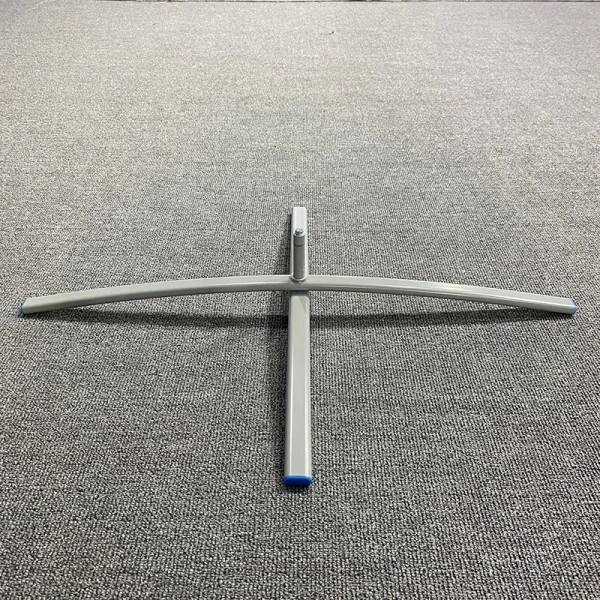
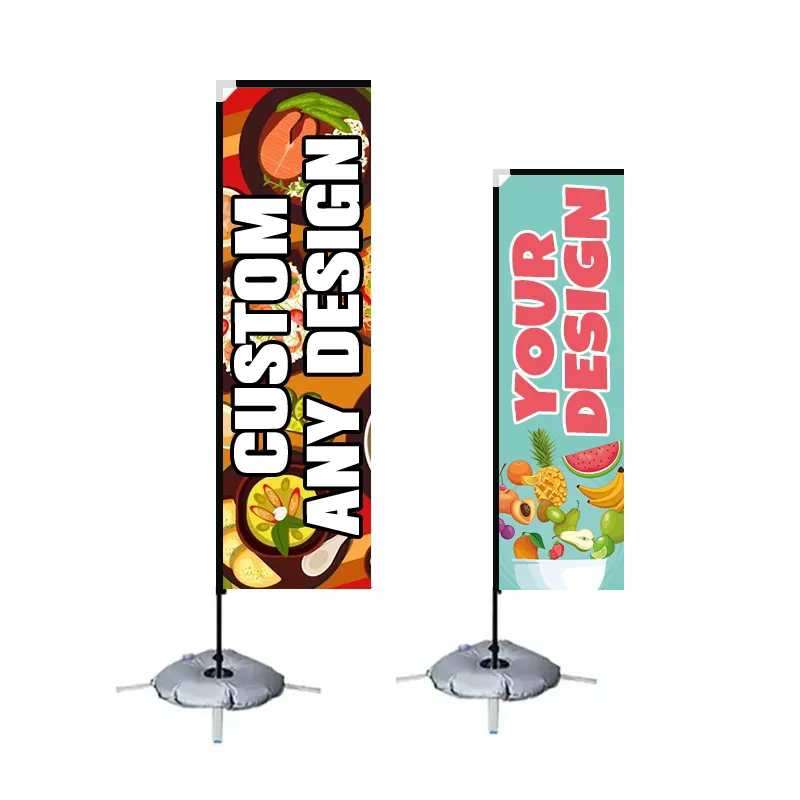
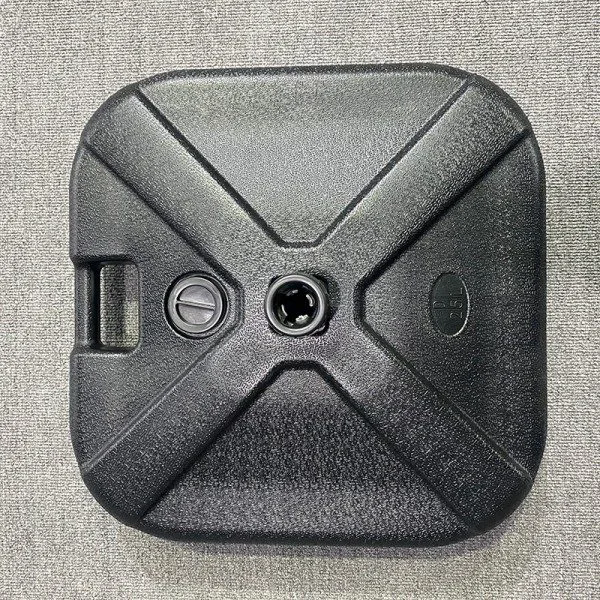
Most beach flag bases rely on a low center of gravity combined with wide ground contact. This design minimizes tipping risk even under gusty conditions. Depending on the environment, bases may be filled with water or sand, or manufactured as solid weighted units. Bearings or spindles integrated into the base allow flags to rotate freely with wind direction, reducing stress on poles and printed graphics.
Typical Product Parameters
Below is a consolidated overview of common technical parameters found in professional-grade beach flag bases:
| Parameter | Specification Range |
|---|---|
| Material Options | HDPE plastic, steel, galvanized steel, rubber |
| Weight Capacity | 12 kg – 35 kg (empty or filled) |
| Filled Weight | Up to 45 kg (water or sand filled) |
| Pole Compatibility | 16 mm – 28 mm diameter |
| Rotation Mechanism | 360° stainless steel or composite bearing |
| Base Diameter | 40 cm – 60 cm |
| Operating Environment | Pavement, grass, sand, indoor floors |
These parameters demonstrate how beach flag bases are engineered to balance portability with stability. The choice of base depends largely on wind exposure, surface type, and duration of installation.
Environmental Adaptability
On hard surfaces such as sidewalks or exhibition halls, flat or rubber bases provide consistent ground contact without surface damage. For beaches, lawns, or soft soil, compatible ground spikes or auger-style accessories are often paired with weighted bases to enhance holding strength. This adaptability allows the same flag system to be deployed across multiple event types without compromising safety or presentation quality.
How Do Beach Flag Bases Support Functional Performance in Branding Applications?
Beyond stability, beach flag bases directly influence how effectively a brand message is displayed. A secure base ensures that the flag remains vertical, readable, and aligned with sightlines, which is critical for outdoor visibility and brand recognition.
Functional Integration With Flag Systems
Beach flag bases are designed to integrate seamlessly with modular pole systems. Precision-molded sockets or sleeves maintain pole alignment, while anti-wobble features reduce vibration. This structural integrity ensures that printed graphics are presented as intended, without distortion or excessive movement that could distract viewers.
Operational Efficiency
From a logistical standpoint, beach flag bases are optimized for rapid setup and breakdown. Many designs include recessed handles, stackable profiles, or detachable spindles to simplify transport and storage. This efficiency is particularly valuable for event organizers and retail operators who deploy displays repeatedly across multiple locations.
Safety and Compliance Considerations
In high-traffic public areas, base design also contributes to safety compliance. Rounded edges, non-slip surfaces, and low-profile construction reduce tripping hazards. Weight distribution is calibrated to prevent accidental tipping, supporting both regulatory requirements and risk management standards for outdoor advertising installations.
How Is Market Demand Influencing the Future Direction of Beach Flag Base Design?
The outdoor display market continues to evolve as brands seek flexible, reusable, and visually consistent solutions. Beach flag bases are increasingly expected to perform across a wider range of conditions while maintaining a professional appearance.
Trends in Material Engineering
Manufacturers are investing in advanced polymers and corrosion-resistant metals to extend product lifespan. UV-stabilized plastics and treated steel components are becoming standard, ensuring consistent performance in coastal, humid, or high-sun environments. These material advancements reduce maintenance requirements and support long-term cost efficiency.
Modular and Multi-Use Configurations
There is growing demand for bases that support multiple flag sizes and pole diameters without additional adapters. Modular designs allow users to switch between indoor and outdoor setups using the same core components, improving inventory efficiency for distributors and display rental companies.
Sustainability Considerations
Sustainability is also shaping design priorities. Refillable bases that use water or sand reduce reliance on permanently heavy materials, lowering transportation emissions. Durable construction minimizes replacement cycles, aligning with broader environmental responsibility goals within the signage and display industry.
How Should Buyers Evaluate Beach Flag Bases for Long-Term Use?
Selecting the appropriate beach flag base requires a practical assessment of usage frequency, environment, and branding objectives. Long-term value is determined not only by upfront specifications but also by how well the base performs over repeated deployments.
Key Evaluation Criteria
Buyers typically assess:
-
Stability under local wind conditions
-
Compatibility with existing flag systems
-
Ease of transport and storage
-
Resistance to corrosion and UV exposure
-
Overall lifecycle cost
A well-matched base enhances display consistency and reduces operational disruptions.
Common Questions About Beach Flag Bases
Q: How much weight is required for a beach flag base in windy conditions?
A: The required weight depends on flag size and wind exposure. For medium-sized flags in moderate wind, a filled weight of 20–30 kg is generally sufficient. In high-wind areas, heavier bases or additional anchoring methods are recommended to maintain stability and safety.
Q: Can one beach flag base be used on different surfaces?
A: Yes, many beach flag bases are designed for multi-surface use. Flat bases work well on hard ground, while compatibility with ground spikes or augers allows the same system to be adapted for grass or sand, reducing the need for multiple base types.
How Are Beach Flag Bases Contributing to the Next Stage of Outdoor Display Solutions?
Beach flag bases continue to play a critical role in ensuring that outdoor branding remains stable, visible, and adaptable. As materials improve and modularity becomes more refined, these components are increasingly viewed as long-term infrastructure rather than disposable accessories. Brands and display professionals benefit from solutions that support consistent presentation across varied environments while meeting modern expectations for durability and efficiency.
Earth Display integrates these considerations into its beach flag base offerings, focusing on structural reliability, practical compatibility, and scalable deployment for global markets. For further information on specifications, customization options, or application guidance, interested parties are encouraged to contact us to explore tailored display solutions that align with specific project requirements.
Related News
- Can showroom‑validated liftable LED promotional counters hold up under repeated cross‑border event cycles?
- New Pop Up LED Light Box: Portable, Eye-Catching Backdrop for Global Exhibition Brands
- Why Are Trade Show Tents Essential for Successful Brand Promotion?
- How Does a Pop up Wall Transform Your Event and Marketing Experience?
- What Makes Rectangle Flag the Best Choice for Modern Advertising and Branding?
- Why Choose a Teardrop Flag for Your Business Promotion?
Leave me a message